The Complete ERP Software Solutions Guide for Enterprise Businesses
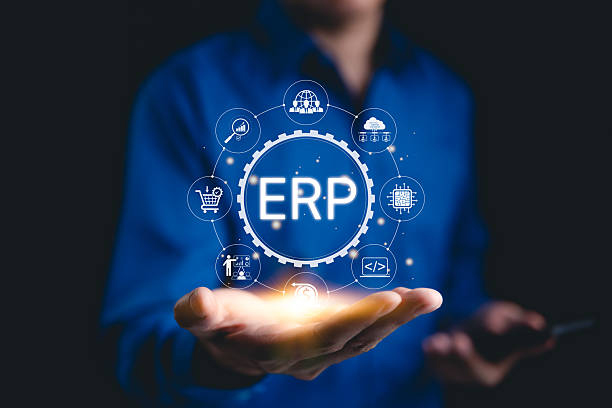
In an era where operational agility defines competitive advantage, choosing the right ERP software solutions has never been more critical. Whether you’re a mid-sized manufacturer juggling supply chains or a global enterprise managing thousands of employees across continents, an ERP system is the backbone that holds every moving part together. This guide walks you through everything you need to know — from understanding what ERP is, to evaluating the best enterprise software options available today.
What Are ERP Software Solutions?
ERP, or Enterprise Resource Planning, refers to a category of integrated software designed to manage and automate core business processes across an organization. Rather than using separate tools for finance, HR, procurement, manufacturing, and sales, ERP software solutions unify these functions into a single, centralized platform.
Think of it as the operating system of your enterprise. When a sales order is placed, the ERP automatically updates inventory, triggers procurement, adjusts financial forecasts, and notifies the warehouse — all in real time, without manual intervention.
Modern enterprise software of this kind has evolved dramatically from the rigid, on-premise systems of the 1990s. Today’s ERP solutions are cloud-native, AI-enhanced, and modular — meaning businesses can adopt only the components they need and scale as they grow.
Why ERP Software Solutions Matter for Enterprises
The primary value of ERP software solutions lies in eliminating data silos. When departments operate on disconnected systems, errors multiply, decisions slow down, and costs rise. According to industry research, companies running fragmented systems spend up to 30% more time on manual data reconciliation than those using integrated enterprise software.
Here’s what well-implemented ERP software solutions deliver:
- Operational efficiency: Automated workflows reduce repetitive tasks and human error.
- Real-time visibility: Decision-makers access accurate, up-to-the-minute data across all departments.
- Regulatory compliance: Built-in compliance modules help enterprises meet financial, labor, and industry-specific requirements.
- Scalability: Cloud-based ERP scales with business growth without requiring significant IT infrastructure investment.
- Cost reduction: Streamlined procurement, reduced inventory waste, and improved workforce management collectively reduce operating costs.
For enterprises operating across multiple geographies or business units, ERP software solutions are not optional — they are foundational infrastructure.
Key Modules in Enterprise ERP Software Solutions
A comprehensive ERP platform typically includes the following core modules. Depending on your industry and organizational size, you may need some or all of these.
1. Financial Management
The financial module is the heart of any ERP. It handles general ledger, accounts payable and receivable, budgeting, tax management, and financial reporting. In enterprise environments, multi-currency and multi-entity support are essential features.
2. Human Capital Management (HCM)
This module manages the full employee lifecycle — from recruitment and onboarding to payroll, performance reviews, and offboarding. Advanced enterprise software platforms integrate HCM with workforce planning and skills analytics.
3. Supply Chain Management (SCM)
For product-based businesses, SCM is a cornerstone module. It covers procurement, supplier management, logistics, order fulfillment, and demand forecasting. ERP software solutions with strong SCM modules reduce stockouts and over-purchasing.
4. Manufacturing and Production
This module manages production planning, bill of materials (BOM), work orders, quality control, and capacity planning. It’s particularly valuable for discrete and process manufacturers.
5. Customer Relationship Management (CRM)
Some ERP platforms include native CRM modules for managing leads, sales pipelines, customer service tickets, and revenue analytics. Integrated CRM eliminates the disconnect between front-office and back-office operations.
6. Project Management
Enterprises in professional services, construction, and IT sectors rely on project management modules for resource allocation, milestone tracking, cost management, and profitability analysis.
7. Business Intelligence and Reporting
Modern ERP software solutions come with embedded analytics dashboards. These tools transform raw operational data into actionable insights, enabling leaders to make faster, evidence-based decisions.
Types of ERP Software Solutions: Which Deployment Model Fits Your Enterprise?
Not all ERP deployments are built alike. Enterprises typically choose between three models:
Cloud ERP (SaaS)
Cloud-based ERP software solutions are hosted by the vendor and accessed via the internet. They offer lower upfront costs, automatic updates, and rapid deployment. Ideal for enterprises seeking agility and minimal IT overhead. Leading examples include SAP S/4HANA Cloud, Oracle Fusion Cloud ERP, and Microsoft Dynamics 365.
On-Premise ERP
Traditional on-premise enterprise software is installed on the company’s own servers. It offers maximum control and customization, but requires significant capital investment and dedicated IT staff. Organizations in highly regulated industries (defense, healthcare, banking) sometimes prefer this model for data sovereignty reasons.
Hybrid ERP
Hybrid deployments blend cloud and on-premise components. For example, a company might run core financials on-premise while using cloud modules for HR and CRM. This model suits enterprises mid-journey in their digital transformation.
Top ERP Software Solutions for Enterprises in 2025
The enterprise ERP market is dominated by a handful of powerful platforms, each with distinct strengths.
SAP S/4HANA
SAP remains the gold standard for large enterprises. S/4HANA is built on an in-memory database that enables real-time analytics at scale. It excels in manufacturing, logistics, and financial services, and offers deep industry-specific configurations. The learning curve is steep, but the capability ceiling is unmatched.
Oracle Fusion Cloud ERP
Oracle’s cloud ERP is renowned for its financial management depth and AI-powered automation. It’s a preferred choice for enterprises with complex financial structures, multi-entity reporting needs, or global operations.
Microsoft Dynamics 365
Dynamics 365 appeals to enterprises already invested in the Microsoft ecosystem. Its seamless integration with Teams, Power BI, and Azure makes it a natural fit for organizations prioritizing collaboration and data analytics alongside core ERP functionality.
Workday
Workday leads in HCM and financial management for services-oriented enterprises. It’s particularly popular in higher education, healthcare, and professional services, where workforce complexity and compliance are paramount.
NetSuite (Oracle)
NetSuite is the go-to cloud ERP software solution for mid-market enterprises scaling toward enterprise complexity. It offers strong financials, inventory management, and e-commerce capabilities in a unified platform.
How to Choose the Right ERP Software Solution for Your Enterprise
Selecting enterprise software is a multi-year commitment. Getting it wrong is costly. Here’s a structured approach to choosing the right ERP software solution:
Step 1: Define Your Business Requirements
Before evaluating vendors, document your current pain points, desired process improvements, and non-negotiable features. Involve stakeholders from every department to ensure alignment.
Step 2: Set a Realistic Budget
ERP costs include licensing or subscription fees, implementation services, data migration, customization, training, and ongoing support. Enterprise implementations typically range from hundreds of thousands to several million dollars depending on scale.
Step 3: Assess Vendor Fit
Evaluate vendors on industry expertise, support quality, roadmap transparency, and cultural fit. Request references from companies similar in size and sector.
Step 4: Plan for Change Management
Technology is only half the challenge. User adoption is the other. Successful ERP implementations invest heavily in training, communication, and internal change champions who advocate for the new system.
Step 5: Prioritize Integration Capabilities
Your ERP won’t operate in isolation. Ensure it integrates cleanly with your existing systems — whether that’s a legacy CRM, e-commerce platform, or specialized industry tools.
Step 6: Think Long-Term
Choose ERP software solutions built for where your business is going, not just where it is today. Assess the vendor’s investment in AI, automation, and platform extensibility.
Common ERP Implementation Pitfalls — and How to Avoid Them
Even the best enterprise software can fail without proper execution. The most common pitfalls include:
- Scope creep: Starting with too many modules at once overwhelms teams and stretches timelines. Phase your rollout strategically.
- Underestimating data quality: Migrating dirty data into a new ERP perpetuates old problems. Invest in data cleansing before go-live.
- Insufficient executive sponsorship: Without visible leadership commitment, adoption suffers. ERP must be treated as a strategic priority, not an IT project.
- Over-customization: Excessive customization increases cost, complexity, and upgrade difficulty. Wherever possible, adapt business processes to the software’s best practices.
The Future of ERP Software Solutions
The next generation of enterprise software is defined by intelligence and autonomy. AI-powered ERP systems are moving beyond reporting into prediction and prescription — flagging cash flow risks before they materialize, optimizing supply chains in real time, and automating compliance monitoring continuously.
Embedded machine learning, natural language interfaces, and IoT integration are becoming standard features rather than differentiators. Enterprises that embrace these capabilities will operate with a level of efficiency and foresight that was impossible just a decade ago.
Additionally, industry cloud platforms — vertical-specific ERP software solutions tailored for manufacturing, retail, healthcare, or financial services — are gaining traction, offering faster time-to-value by reducing the customization burden.
Conclusion
Investing in the right ERP software solutions is one of the most impactful decisions an enterprise can make. Done well, it transforms operational complexity into competitive clarity — giving every department a shared language, every leader a reliable source of truth, and every stakeholder confidence in the business’s direction.
Whether you’re evaluating your first enterprise software platform or planning a migration from a legacy system, the principles remain consistent: know your requirements, choose a vendor that grows with you, and invest in the human side of transformation just as seriously as the technology.
The organizations that thrive in the next decade won’t just have the best ERP software — they’ll have mastered how to use it.
How ToD Technologies Can Help You Develop Custom CRM Solutions
Every business has unique operational requirements, and choosing the right system architecture is critical for long-term success. ToD Technologies helps businesses design and develop customized CRM and ERP solutions tailored to specific workflows, operational goals, and growth strategies.
Rather than forcing your business processes into a one-size-fits-all platform, ToD Technologies works closely with your team to build enterprise software that mirrors how your organization actually operates — delivering faster adoption, higher ROI, and solutions that scale as you grow.
Our Expertise Includes:
- Custom CRM Development — Purpose-built customer relationship management systems designed around your sales, support, and engagement workflows.
- ERP Implementation and Integration — End-to-end ERP deployment with seamless integration across your existing tools and data sources.
- Business Process Automation — Eliminate manual bottlenecks with intelligent automation that keeps operations running efficiently.
- Cloud-Based Enterprise Solutions — Scalable, secure, and accessible cloud platforms built for modern enterprise demands.
- Third-Party API Integrations — Connect your CRM or ERP with any external platform — from payment gateways to logistics providers to marketing tools.
- UI/UX-Focused Business Applications — Enterprise software your team will actually want to use, built with intuitive design at the core.
- Ongoing Technical Support and Maintenance — Dedicated post-launch support to keep your systems optimized, secure, and evolving with your business needs.
Whether you need a customer management platform, workflow automation, or a complete enterprise ecosystem, ToD Technologies helps you develop CRM solutions that improve efficiency, customer engagement, and overall business performance.
Ready to Build a Custom CRM or Enterprise Solution?
Connect with ToD Technologies to discuss your business requirements and digital transformation goals. Our team is ready to help you move from off-the-shelf limitations to a solution built exactly for you.
Recent Posts
- IT Services for Engineering Companies in South Africa How ToD Technologies Helps Engineering Businesses Grow Through Digital Transformation
- Dental Website Development New Zealand: How Great UX Design Helps Dental Clinics Get More Patients
- Why Every Business Needs a Unique Website Design: The Hidden Cost of Using the Same Website Template
- Complete Digital Solutions for Dental Clinics in USA
- Why Every Small Business Needs Custom CRM Software in 2026
Let's Try! Get Free Quote
Get Started Today
Want to transform your web vision into reality? Contact us today to explore your development needs. Let's create something extraordinary together.